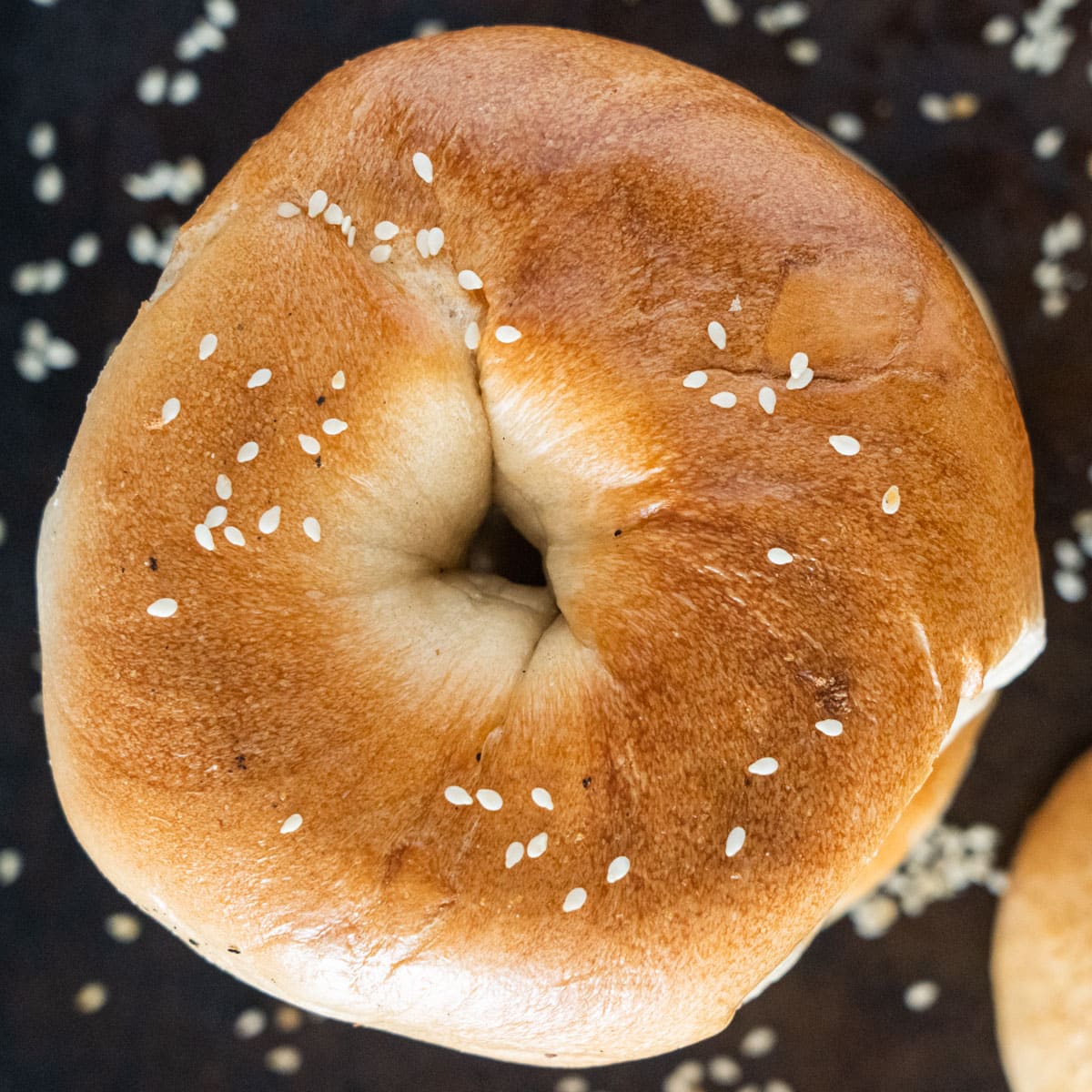
Effortless Bagels: Your Guide to Slow Cooker Perfection
Imagine waking up to the aroma of freshly baked bagels, without the early morning hustle of boiling and oven-watching. Sounds like a dream? Not anymore! Welcome to the world of
slow cooker bagels, a revolutionary approach that transforms this beloved breakfast staple into an accessible, hands-off culinary adventure. For anyone who cherishes the versatility and comfort of a warm bagel, packed with their favorite toppings – a sentiment echoed by the joyful New York bagel experiences that stay in the heart – this method offers a unique, less daunting path to homemade bliss. Forget the fear of complex baking; your slow cooker is about to become your new best friend for achieving bagel perfection.
Why Embrace the Slow Cooker for Bagels? Unlocking Convenience and Unique Texture
Traditional bagel making, with its precise boiling and high-heat baking, can often feel intimidating, especially for home bakers juggling busy schedules. This is where the slow cooker steps in, offering a compelling alternative that redefines the bagel-making experience. The core advantage lies in its consistent, controlled heat and moist environment, which are usually hallmarks of slow cooking for savory dishes, but prove surprisingly beneficial for bread products like bagels.
Here's why you should consider making the switch for your next batch of homemade bagels:
*
Unmatched Convenience: The slow cooker largely automates the cooking process. Once your bagels are prepped and placed inside, you can set it and forget it, freeing up your hands for other morning routines or simply enjoying a leisurely start to your day. This hands-off approach drastically reduces the active cooking time compared to conventional methods.
*
Consistent Results Every Time: Say goodbye to burnt bottoms or unevenly cooked bagels. The slow cooker's steady, low heat ensures a gentle and uniform cook, leading to reliably perfect results. This is particularly beneficial for those new to bread making, removing much of the guesswork associated with oven temperatures and timing.
*
A Unique Chewy Texture: While a slow cooker won't produce the super-crisp, darkly browned crust of a traditional oven-baked bagel, it imparts a wonderfully tender, moist, and delightfully chewy interior that's truly distinct. The gentle steaming action within the crock pot creates a bagel with a softer exterior and an incredibly satisfying bite – a delicious departure from the norm that many find equally appealing.
*
Reduced Energy Consumption: Often, slow cookers are more energy-efficient than heating a large oven for an extended period, making them an eco-friendlier option for your kitchen.
*
Less Mess, More Fun: No massive pots of boiling water to manage, no flour dustings all over your kitchen from transferring dough to a hot oven. The slow cooker method keeps things contained and clean.
This innovative approach is not about replacing the classic New York-style bagel, but rather offering a different, equally delicious experience – one that emphasizes ease and a unique texture. For a deeper dive into simplifying your breakfast routine, explore
Simplify Breakfast: The Ultimate Slow Cooker Bagel Method.
The Core Concept: How Slow Cooker Bagels Work
The secret to slow cooker bagels lies in harnessing the appliance's consistent, moist heat to cook the dough gently. Instead of the traditional boil-then-bake method, we're essentially employing a steam-cook process that yields a soft, pliable, and wonderfully chewy bagel.
The general process involves three main stages:
1.
Dough Preparation: You'll start with a standard bagel dough, focusing on a slightly lower hydration. This is crucial as the reference context highlights a dough with "not too high hydration," which is "PERFECT therefore for hand kneading." This type of dough is robust and easier to handle, making it ideal for the slow cooker environment where excess stickiness could be an issue.
2.
Shaping and Proofing: After kneading, the dough is shaped into individual bagels. You can choose classic rings or even bagel bites. A short proofing stage, possibly even using the "warm" setting of your slow cooker as a proofing box, helps the dough develop flavor and rise slightly.
3.
The Slow Cooker Cook: This is where the magic happens. A small amount of water is added to the bottom of the slow cooker to create a steamy environment. The bagels are placed on a rack above the water, typically lined with parchment paper to prevent sticking. The slow cooker is then set to low or high, allowing the bagels to steam and cook through, developing their unique chewy texture.
4.
Optional Finish for Color and Crisp: While the slow cooker provides a cooked, chewy interior, it won't give you that signature golden-brown, slightly crisp crust. For those who desire it, a quick finish under a broiler, in a toaster oven, or even a hot skillet for a few minutes per side can add that coveted exterior texture and color.
It’s a departure from the conventional, but the results are undeniably delicious and incredibly satisfying for a homemade treat.
Crafting Your Dough: A Foundation for Slow Cooker Success
The quality of your slow cooker bagel ultimately begins with the dough. While the cooking method is unique, the dough foundation is still classic bagel fare, albeit with a focus on manageability.
Essential Ingredients:
*
Strong Bread Flour: High protein content is key for developing gluten, which gives bagels their chew.
*
Warm Water: Activates the yeast.
*
Active Dry Yeast: The leavening agent.
*
Salt: Essential for flavor and controlling yeast activity.
*
Sweetener (Malt Syrup, Honey, or Sugar): Adds a touch of sweetness, aids in browning (even if minimal in the slow cooker), and feeds the yeast. Malt syrup is traditional for bagels, offering a deeper flavor profile.
Dough Hydration and Kneading:
As highlighted in the reference, a dough with "not too high hydration" is perfect for hand kneading. This means a slightly stiffer dough compared to some artisan breads. This firm dough is excellent for slow cooker bagels because:
* It’s easier to handle and shape, crucial for beginners.
* It holds its shape better during the steaming process in the slow cooker, preventing it from collapsing or becoming overly dense.
* The controlled moisture inside the slow cooker is less likely to make an already high-hydration dough too gummy.
You can knead this dough by hand for a truly tactile experience, enjoying the process as your muscles work the gluten into submission, or use a stand mixer with a dough hook for convenience. Aim for a smooth, elastic dough that springs back when gently poked.
First Rise (Bulk Fermentation):
After kneading, allow your dough to rise in a warm place until doubled in size. This can take anywhere from 1 to 2 hours, depending on your kitchen temperature. For an added layer of convenience, consider using your slow cooker itself as a proofing environment. Simply turn it on the "warm" setting for about 15-20 minutes, then turn it off, place your dough (covered) inside, and let the residual warmth create an ideal proofing chamber.
Shaping, Toppings, and the Final Touch for Slow Cooker Bagels
Once your dough has completed its first rise, it's time for the fun part: shaping!
Shaping Your Bagels:
There are a couple of popular methods for shaping bagels:
1.
The Roll and Poke: Divide your dough into equal portions (typically 3-4 ounces each). Roll each portion into a smooth ball. Then, using a floured finger or thumb, poke a hole directly through the center of the ball. Gently stretch the dough around the hole until it's about 1-1.5 inches in diameter, ensuring the hole remains open.
2.
The Rope Method: Roll each dough portion into a rope about 8-10 inches long, tapering the ends slightly. Overlap the ends by about 1 inch and press firmly to seal, creating a ring. You can also lightly moisten one end to help it stick better.
Place your shaped bagels on squares of parchment paper. This will make transferring them in and out of the slow cooker much easier.
Optional Glaze or Egg Wash:
Before placing them in the slow cooker, you can brush your bagels with a light egg wash (egg whisked with a touch of water) or a simple water wash. This helps toppings adhere and contributes to a slightly richer exterior color, especially if you opt for a final broil or bake.
Toppings Galore:
This is where your bagels truly become your own! While traditional bagels are celebrated, your slow cooker creation offers a perfect canvas for any topping imaginable. Sprinkle generously with:
*
Everything Bagel Seasoning: A crowd favorite!
*
Sesame Seeds: White or black.
*
Poppy Seeds: Classic and nutty.
*
Flaked Sea Salt: For a simple, savory crunch.
*
Dried Onion or Garlic Flakes: For an aromatic kick.
*
Cinnamon Sugar: For a sweet treat.
Gently press the toppings into the dough so they stick.
The Slow Cooker Setup:
Line the bottom of your slow cooker with a small amount of water (about 1/2 to 1 cup). Place a metal rack or even crumpled aluminum foil balls to create a raised platform above the water. Arrange your parchment-lined bagels on top of this platform, ensuring they don't touch each other or the sides of the slow cooker. Don't overcrowd; work in batches if necessary.
Cook on high for 1.5-2 hours or low for 2.5-3.5 hours, depending on your slow cooker and desired texture. The bagels will plump up and feel cooked through.
The Finishing Touch:
Once slow-cooked, your bagels will be tender and wonderfully chewy, but likely pale. If you desire that golden-brown crust, transfer them to a baking sheet and:
*
Broil: Broil for 3-5 minutes, watching carefully, until golden brown.
*
Pan-Fry: Lightly oil a skillet and cook bagels for 2-3 minutes per side over medium heat for a crisp exterior.
For more innovative twists and to discover this method's versatility, make sure to read
Beyond Baking: Discover Slow Cooker Bagels for a New Twist.
Tips for Achieving Bagel Bliss in Your Slow Cooker
To ensure your
slow cooker bagels are nothing short of spectacular, keep these practical tips in mind:
*
Don't Overcrowd: Resist the urge to pack too many bagels into your slow cooker. Give them space to expand and steam evenly. Cooking in batches will yield better results.
*
Parchment Paper is Your Friend: Always use parchment paper squares under each bagel. This prevents sticking to the rack and makes transferring them much easier.
*
Monitor Moisture: Depending on your slow cooker, you might find a lot of condensation collecting on the lid. If it seems excessive, you can periodically lift the lid and quickly wipe away the moisture to prevent it from dripping onto the bagels.
*
Experiment with Cook Times: Every slow cooker is different. The provided times are a good starting point, but don't hesitate to adjust based on your appliance and your preferred level of doneness and chewiness.
*
Embrace the Unique Texture: Remember, slow cooker bagels offer a different texture profile than traditionally baked ones. Celebrate their soft, chewy, moist interior rather than expecting an exact replica of a crispy, crunchy crust (unless you add the final broiling step!).
*
Storage: Once cooled, store your slow cooker bagels in an airtight container at room temperature for up to 2-3 days, or slice and freeze for longer storage. They refresh beautifully in a toaster!
The concept of
slow cooker bagels might seem unconventional at first, but it truly offers an innovative path to homemade bagel enjoyment. It's a method that champions ease, consistency, and a wonderfully unique texture, perfect for any time of day, whether for a leisurely Sunday brunch or a quick weekday breakfast.
Conclusion
Breaking free from traditional baking norms, the slow cooker offers a delightful and surprisingly effective way to create homemade bagels. This effortless method yields incredibly tender, moist, and chewy bagels that are full of character and satisfaction. It's a testament to the versatility of your slow cooker and a perfect solution for those seeking a less labor-intensive approach to baking. So, gather your ingredients, fire up your crock pot, and prepare to be amazed by the delicious potential of
slow cooker bagels. Your breakfast routine is about to get a whole lot easier, and a whole lot more delicious. Embrace the journey to bagel perfection, one slow-cooked bite at a time!